


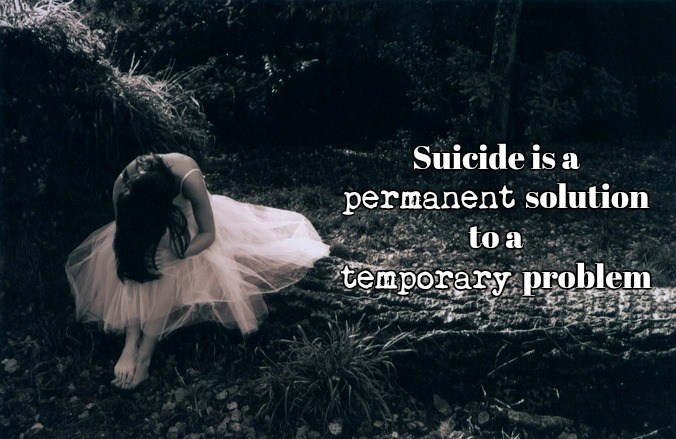
There’s a lot going on in the media lately about where funding is going and where funding should be going. In the past, I have not written about my political views on my blogposts or website. As numbers and figures come across my view, I began to think about where we put our money as a country and how it impacts our citizens. I decided to do some research about how many people die each year by suicide. According to the American Foundation for Suicide Prevention, 44,193 Americans die each year by suicide. According to the CDC , it’s the 10th leading cause of death in America. Only the following nine causes of death are greater than suicide: heart disease, cancer, chronic respiratory diseases, accidents, stroke, Alzheimer’s disease, Diabetes, influenza and pneumonia, and nephritis, nephrotic syndrome and nephrosis.
As a mental health counselor in private practice, it is common to treat and come into contact with suicidal patients. I consider myself lucky that I practice in a community where there are resources readily available for my clients, including a local Baker Act receiving unit, psychiatrists that have some appointments available and support groups. I often wonder about rural areas where these resources might not be available to the public.
Where do suicidal clients go when there is limited mental health and psychiatric care?
Further, another major concern is the many people who go undetected and have suicidal thoughts or attempts. When seeing a client for the first time, I always ask them if they are or have ever been suicidal. What about the thousands of people who are never asked by anyone if they are feeling suicidal or even feeling depressed? Could more access to mental health services improve our chances? My guess is yes.
Considering suicide is the 10th leading cause of death in our country, I would like to see more funding going to mental health services. I would like to see more mental health services be provided, especially to vulnerable parts of our country, including children, teenagers, veterans and older adults. And I would like to see more health coverage being provided to our citizens.
For now, if funding is not provided and services are not increased, there are things you can do. A wonderful therapist I know often posts “Check on somebody”. If you know a friend or a family member who is struggling with depression, call them and see how they are doing. You can donate to the American Foundation for Suicide Prevention here. Write to your senators and congressmen and let them know that suicide prevention and mental health awareness is something you want to be made a priority. If you are feeling depressed or know someone with depression, encourage them to seek out help from a therapist. Therapy is an effective strategy to help reduce depression.

Amanda Patterson, LMHC, CAP , Mental Health Counselor of the Year by the Florida Mental Health Counseling Association, decided to become a therapist while attending Nova Southeastern University. She saw the need to help people achieve the life they wanted to live, while creating a life of her own. She completed her master’s in Mental Health Counseling and started a career in the juvenile justice arena. Amanda has been a therapist for ten years and has a private practice in Wellington, Florida, specializing in depression, anxiety, relationship issues, and substance abuse in teenagers and young adults. Amanda is a believer in holistic treatment and she practices veganism, meditation and yoga in her life. Find out more about her practice here.
To schedule an appointment, call or text Amanda at 954-378-5381 or email her at amanda@amandapattersonlmhc.
