


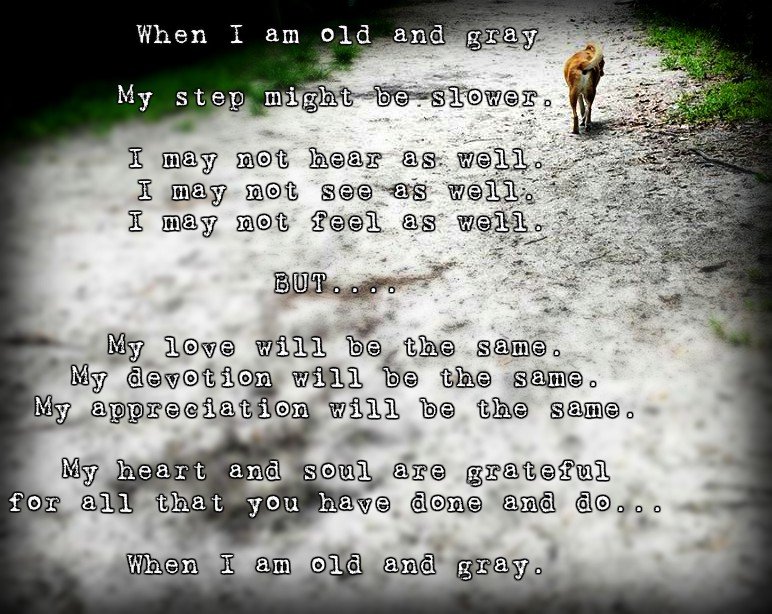
A couple of weeks ago my dog got sick and I had an idea to write this blogpost on how I managed my feelings of depression and anxiety during this time. To give you some background, I’ve had my dog since his birth. He turned 15 years old this past February. He’s mostly deaf and blind, with a diagnosed case of arthritis and an undiagnosed case of dementia. He still wants to walk three miles a day but can only tolerate about 30 minutes on a good day. I consider myself lucky that he is still able to walk. He’s on a regimen of medications, supplements, special food and regular doctor visits. At this point, Lumiere, my dog, has a higher self-care bill than I do.
For anyone with an older dog, you can understand the increasing vet bills, as well as the increasing realization that your dog may not always be around. When he got sick last month with a bout of pancreatitis, I wasn’t sure what the outcome was going to be. He was very sick but luckily he pulled through. For the four days that he was in the hospital, feelings of sadness and fear hit me like I hadn’t experienced in a long time. I wanted to hide and isolate and do the exact opposite of what I encourage my clients to do during periods of depression and anxiety.
So, I decided to use the skills I teach and employ my coping skills.
Here are the five coping skills I used in order to manage my feelings during this high-stress time.
1. Talked about it
At the time, I wasn’t really processing my feelings of grief around having an older dog. Someone close to me, who happens to be a therapist too, said I wasn’t talking about it and encouraged me to open up. Well, I opened up and so did the floodgates. I realized by not opening up about it, I was keeping in the sadness. These feelings needed to be acknowledged and processed. It is helpful to have a trusted family member, friend or therapist to help you process your feelings.
2. Increased my pleasurable activities
I wanted to sit on the couch and stare at the window. I wanted to go to sleep and be left alone. Deep down, I knew the key was to increase my pleasurable activities. This is one of the first tools I teach my depressed clients. I needed to take my own advice. That day, I ended up getting out of the house, going to the gym and doing some other activities that I found pleasurable. Whenever you feel depressed, get mobilized and do things you enjoy.
3. Surrounded myself with friends and family
On that Friday night, it was about 5pm and I wanted to do what I posted above: stare at the window. Usually on Friday nights, I go to my sister’s to hang out with my nephew. It was a decision that I knew I needed to make and therefore I found myself in the car on the way to their house. I ended up playing with crystals with my nephew. It turned out to be a pretty fun night. When you are feeling down, it’s best to surround yourself with people you love.
4. Lived in gratitude
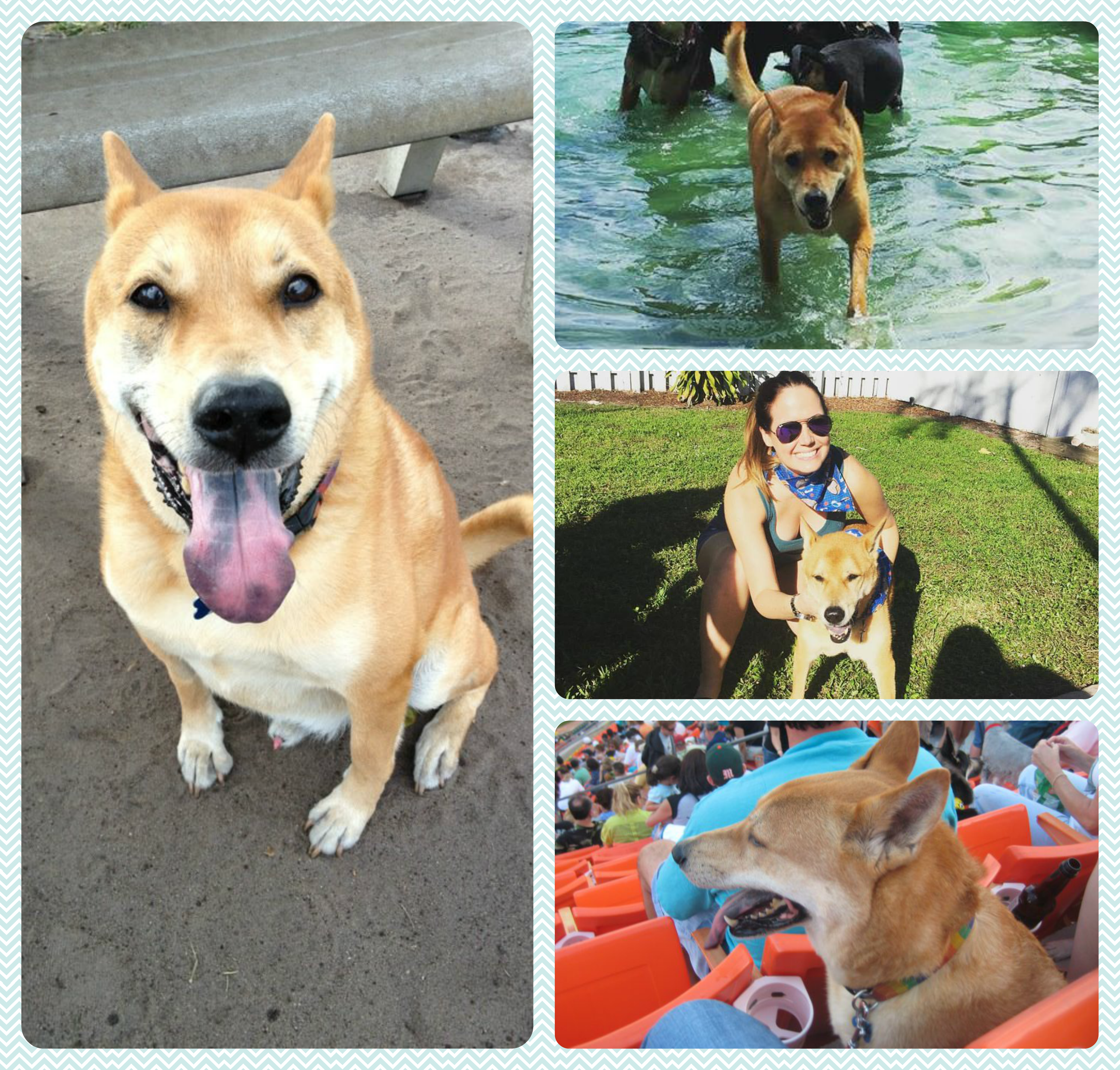
Instead of dwelling on the little time we have together, I decided to be appreciative of the time I’ve had with my dog. Lumiere has been everywhere! He’s been to baseball games, every dog park in Broward County, dog birthday parties, vacations across the state, beaches, brunches, and anything else you can think of that a dog is allowed at. By reflecting on the positive, it helped me to move into gratitude and come to a better place for myself. Living in gratitude can shift your life.
5. Meditated
This says meditated, not medicated! Having a regular meditation practice has helped teach me patience and letting go. Meditation is key to keeping me grounded. There are meditations on YouTube for anxiety, depression, gratitude, grief, etc. Doing guided meditations around what I was feeling helped me to process out the feelings. Meditation is a #1 coping skill for alleviating anxiety and depression.
I’m happy to report that Lumiere is alive and kicking. He may not be as spry as he was when he was younger, but I live in gratitude each day for the special bond I have with my dog.

Amanda Patterson, LMHC, CAP , Mental Health Counselor of the Year by the Florida Mental Health Counseling Association, decided to become a therapist while attending Nova Southeastern University. She saw the need to help people achieve the life they wanted to live, while creating a life of her own. She completed her master’s in Mental Health Counseling and started a career in the juvenile justice arena. Amanda has been a therapist for ten years and has a private practice in Wellington, Florida, specializing in depression, anxiety, relationship issues, and substance abuse in teenagers and young adults. Amanda is a believer in holistic treatment and she practices veganism, meditation and yoga in her life. Find out more about her practice here.
To schedule an appointment, call or text Amanda at 954-378-5381 or email her at amanda@amandapattersonlmhc.
